Best Dishwashers
A good dishwasher should do more than just rinse dishes. The best models clean thoroughly, run quietly in the background, and use water and energy efficiently. On this page, we highlight the top dishwashers across different budgets and kitchen sizes, based on cleaning performance, noise level, reliability, and real buyer reviews from trusted retailers.
Top Air Dishwashers Picks at a Glance
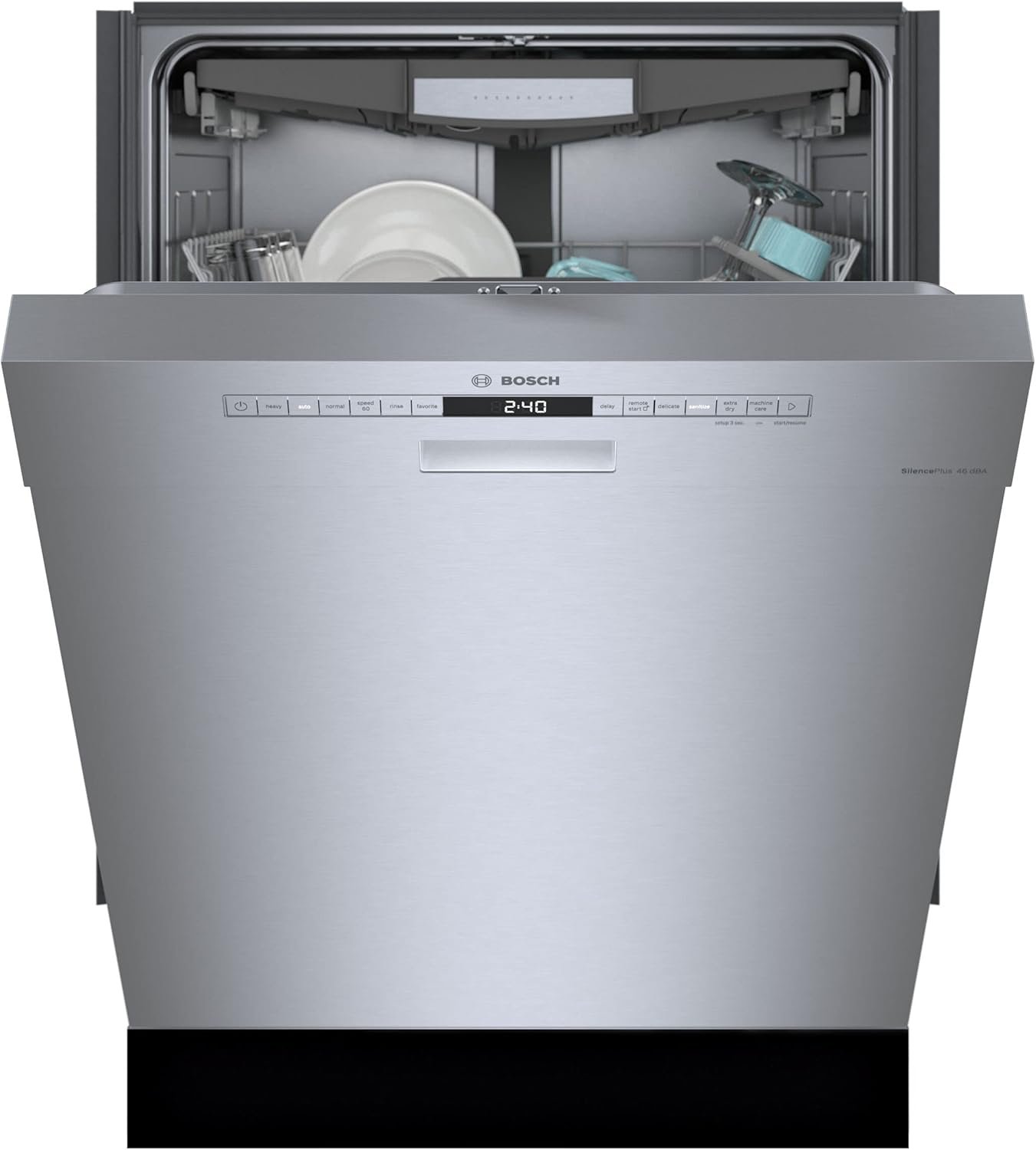
Bosch SHE53B75UC 300 Series 24" Built-In Dishwasher
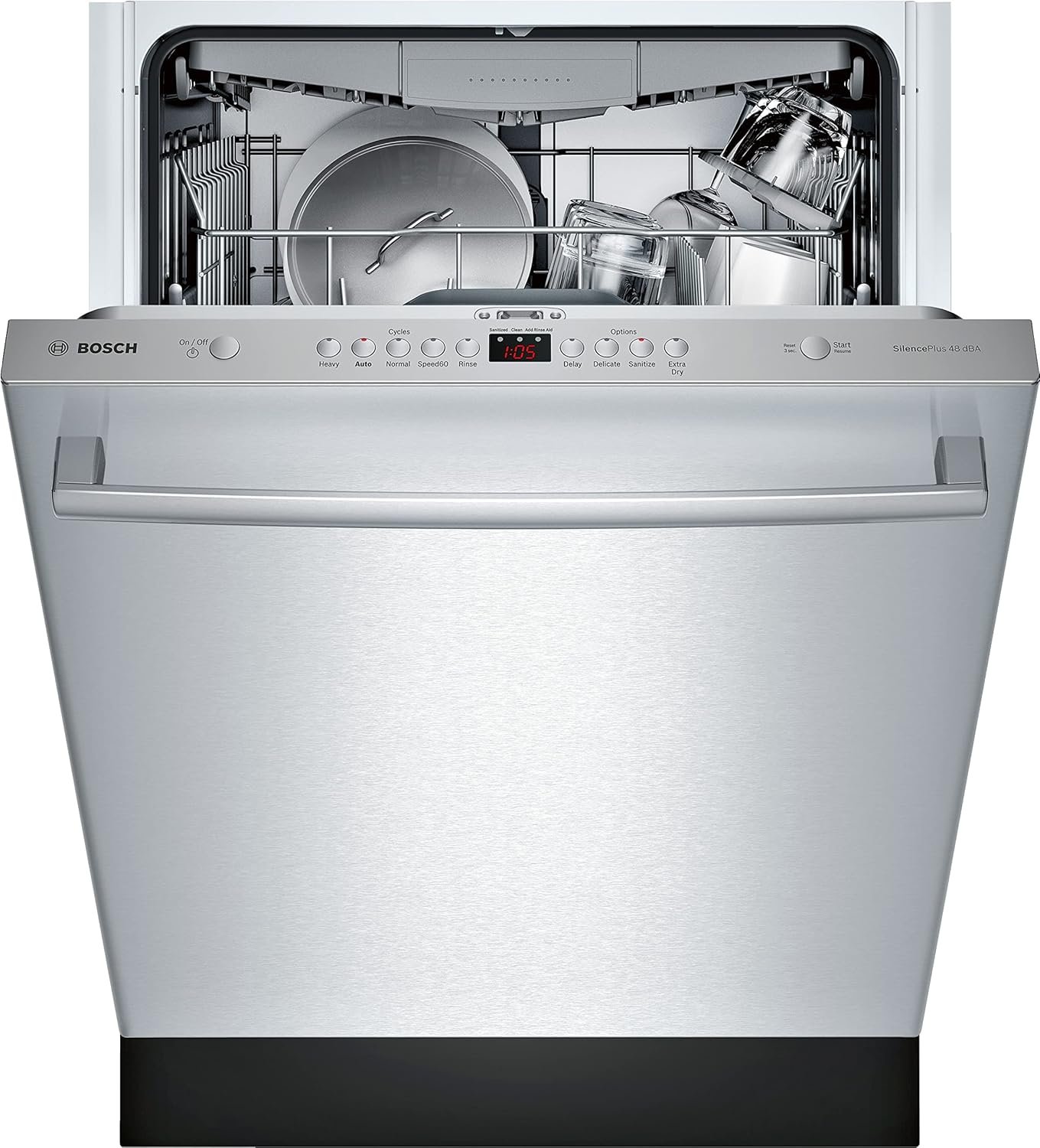
Bosch 100 Series 24" Built-In Dishwasher
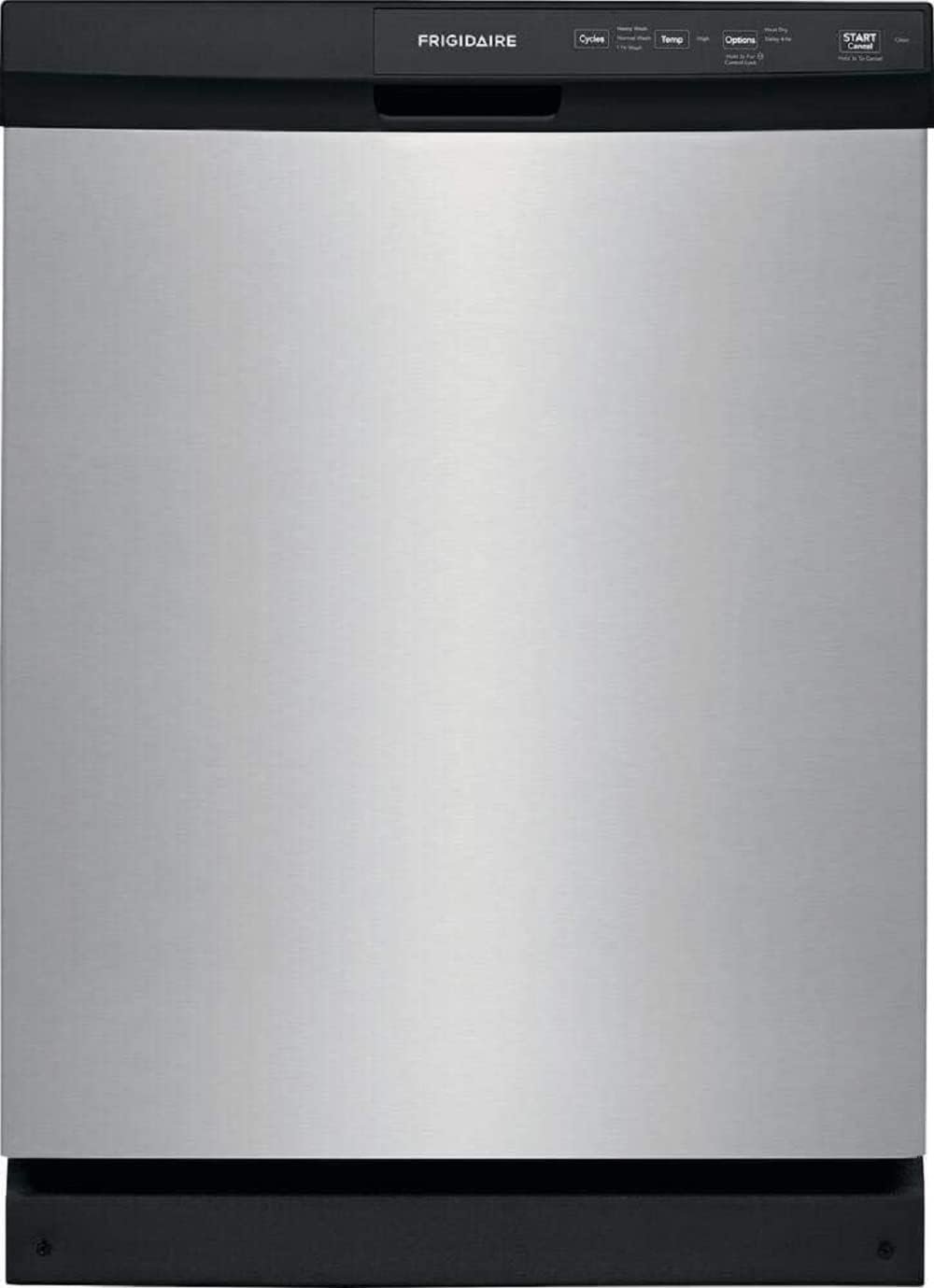
Frigidaire FFCD2413US 24" Built-In Dishwasher
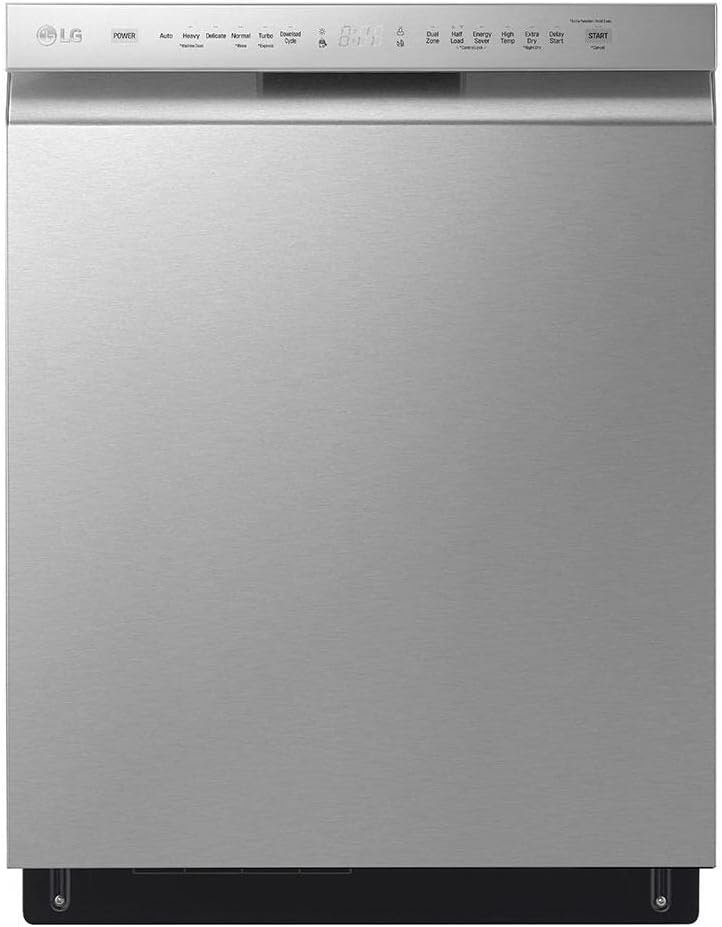
LG LDFN4542S 24" Dishwasher with Third Rack
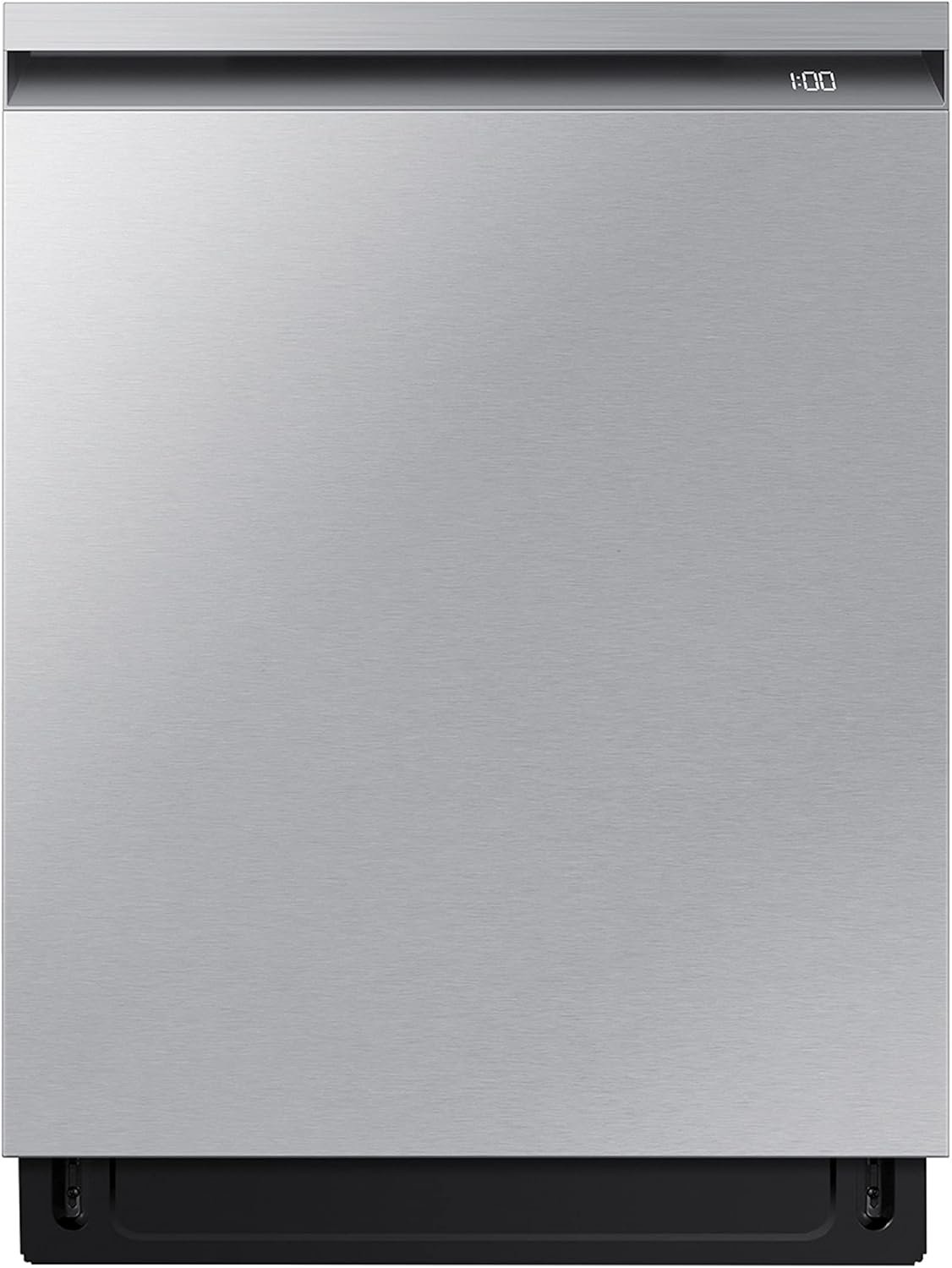
Samsung DW80B6060US Smart Dishwasher with Wi-Fi
Best Overall Dishwasher: Bosch 300 Series Built-In Dishwasher
✅ Pros
- Very quiet during operation
- Consistent and thorough cleaning
- Stainless-steel tub improves drying
- Third rack adds loading flexibility
❌ Cons
- Costs more than basic models
- Professional installation often recommended
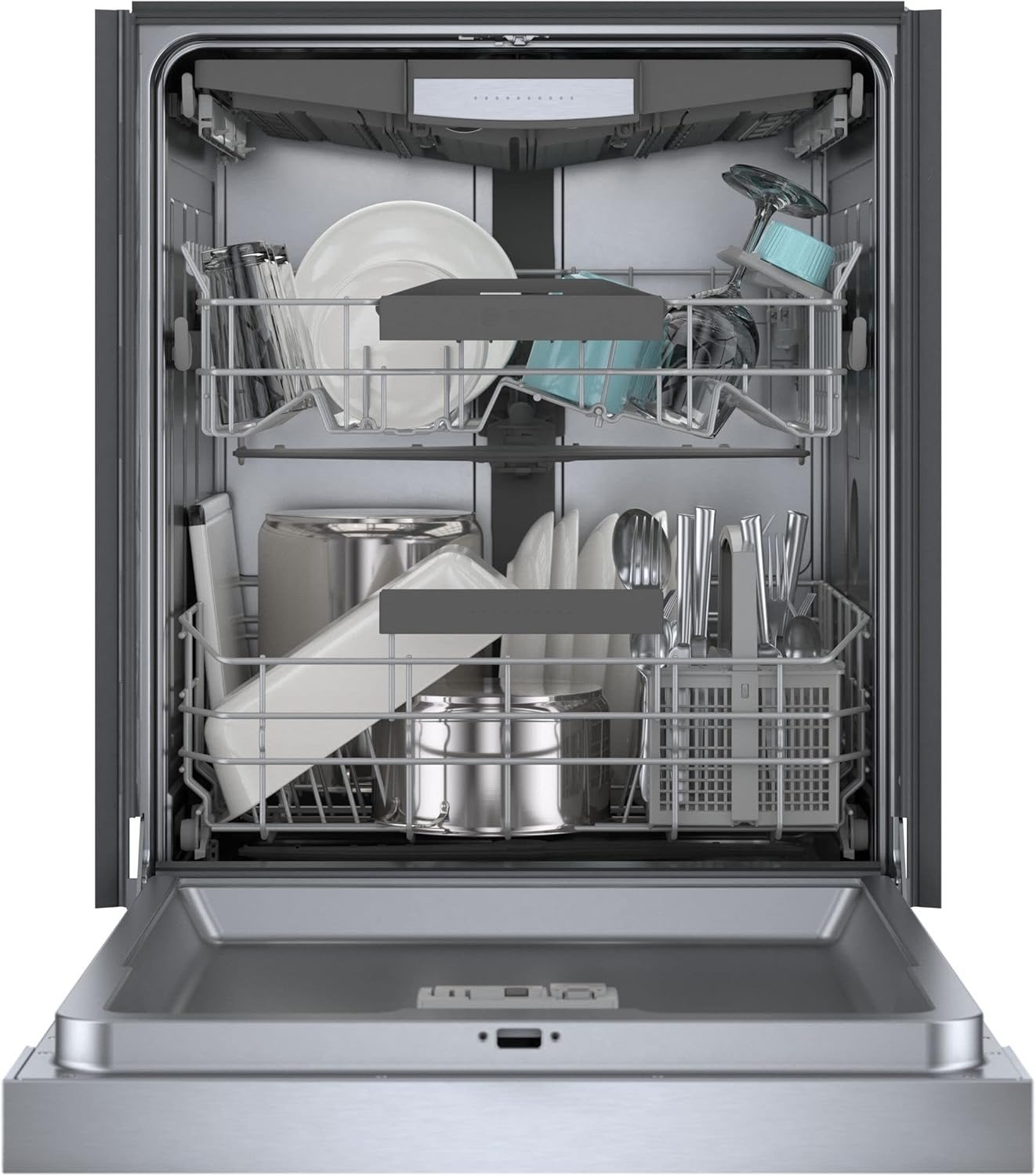
Our top dishwasher pick for most kitchens
MORE IN-DEPTH DISHWASHER REVIEWS
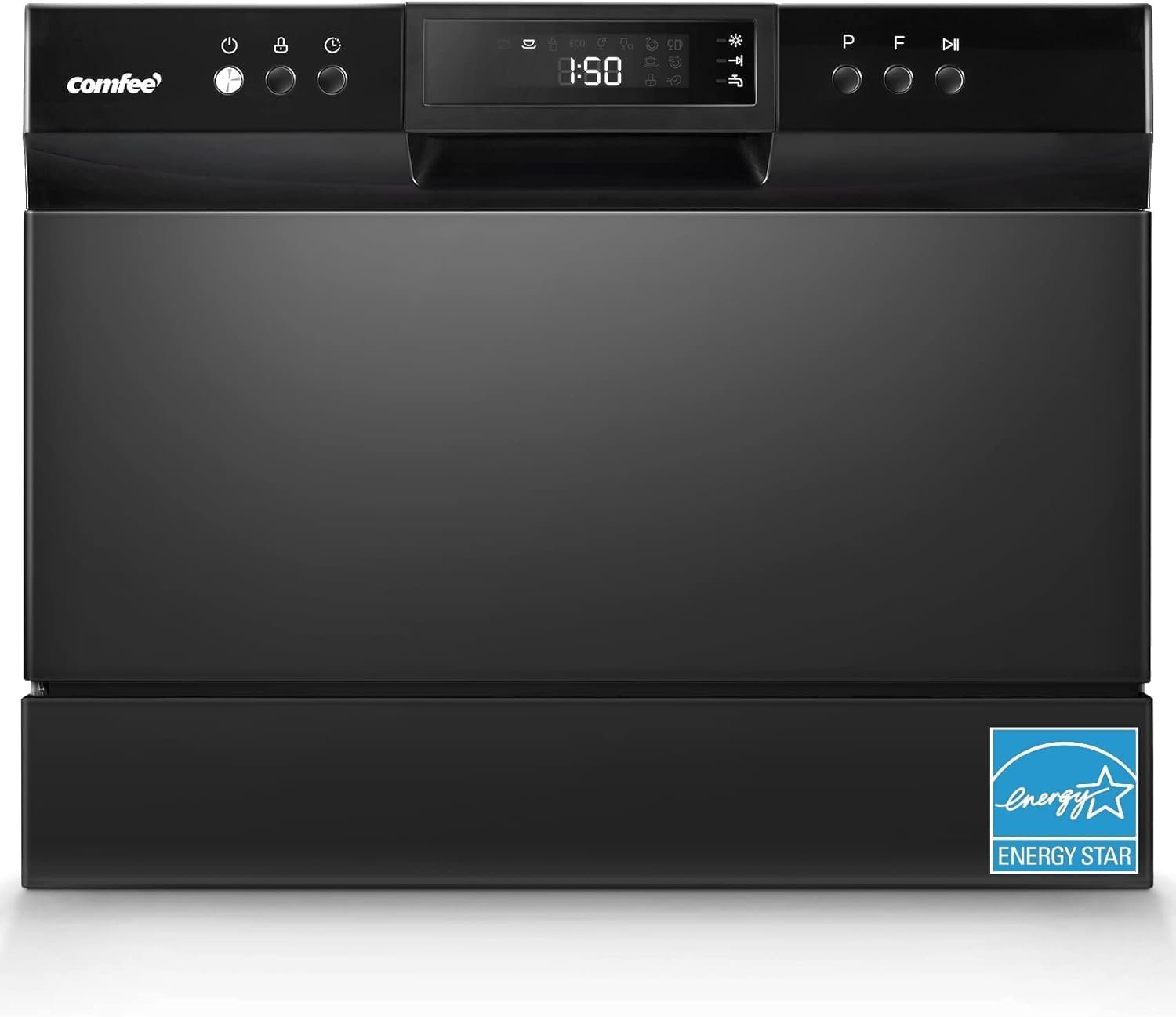
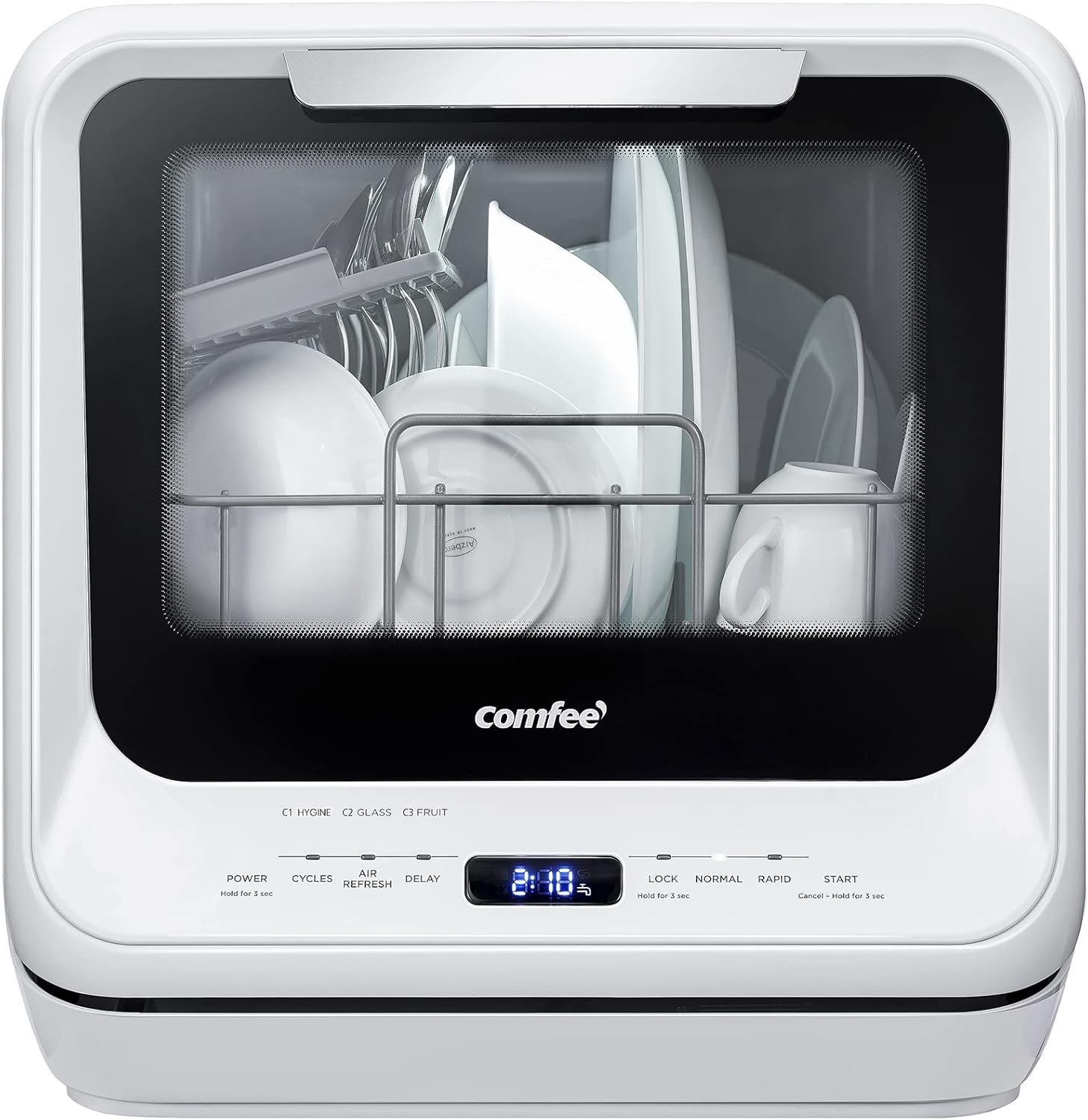
COMFEE’ Countertop Dishwasher (6 Place)
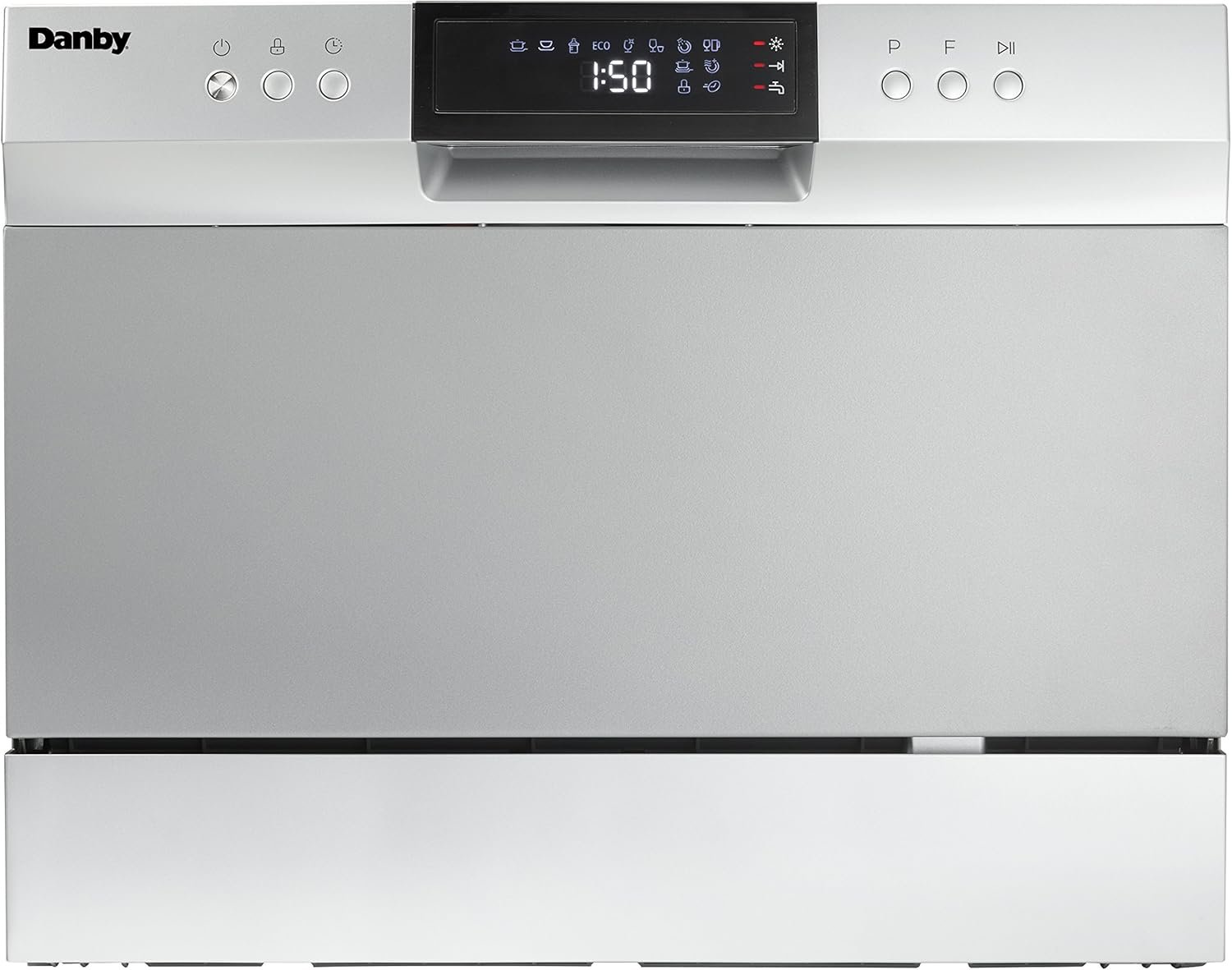
Danby DDW631SDB Countertop Dishwasher
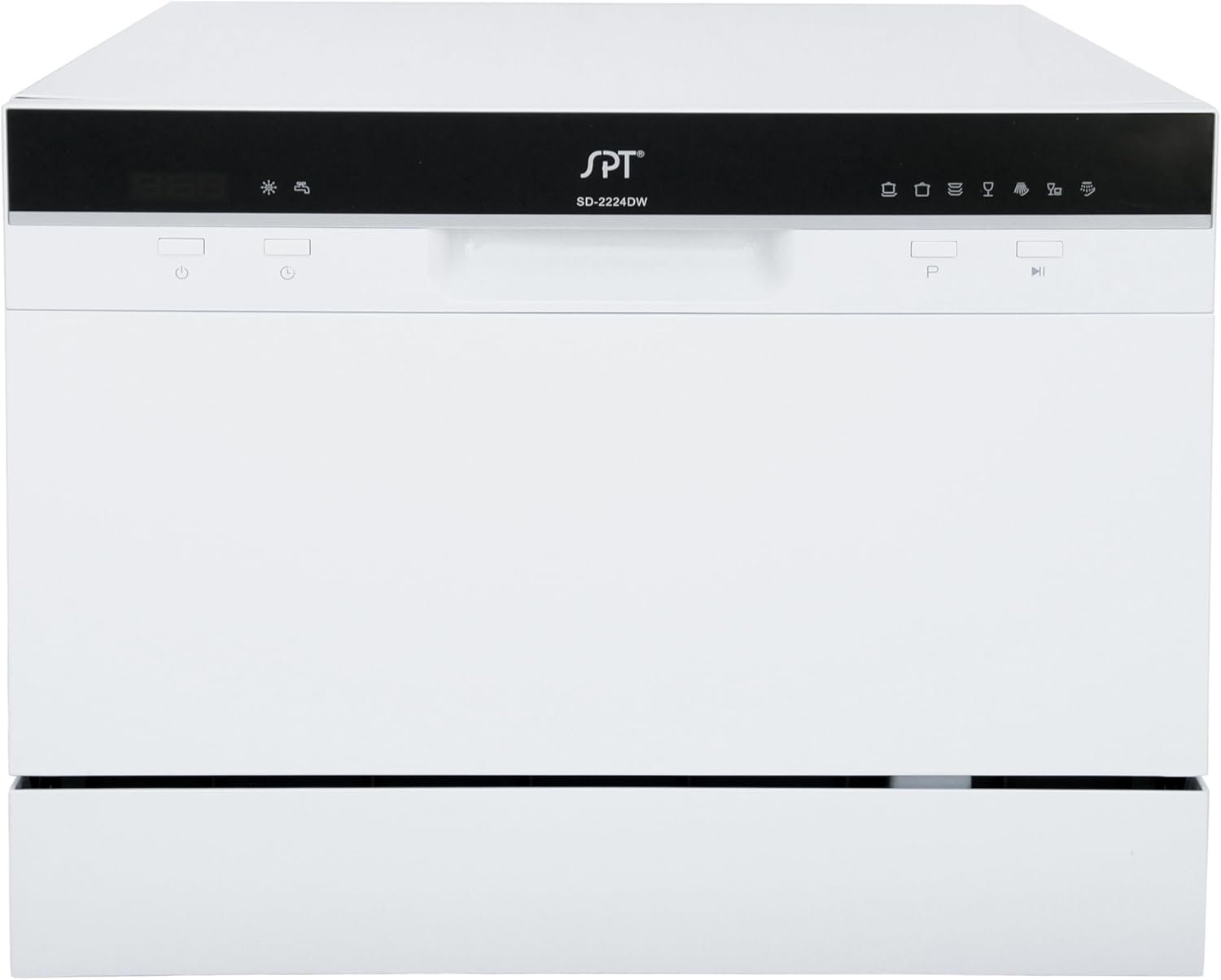
SPT SD-2224DW Countertop Dishwasher
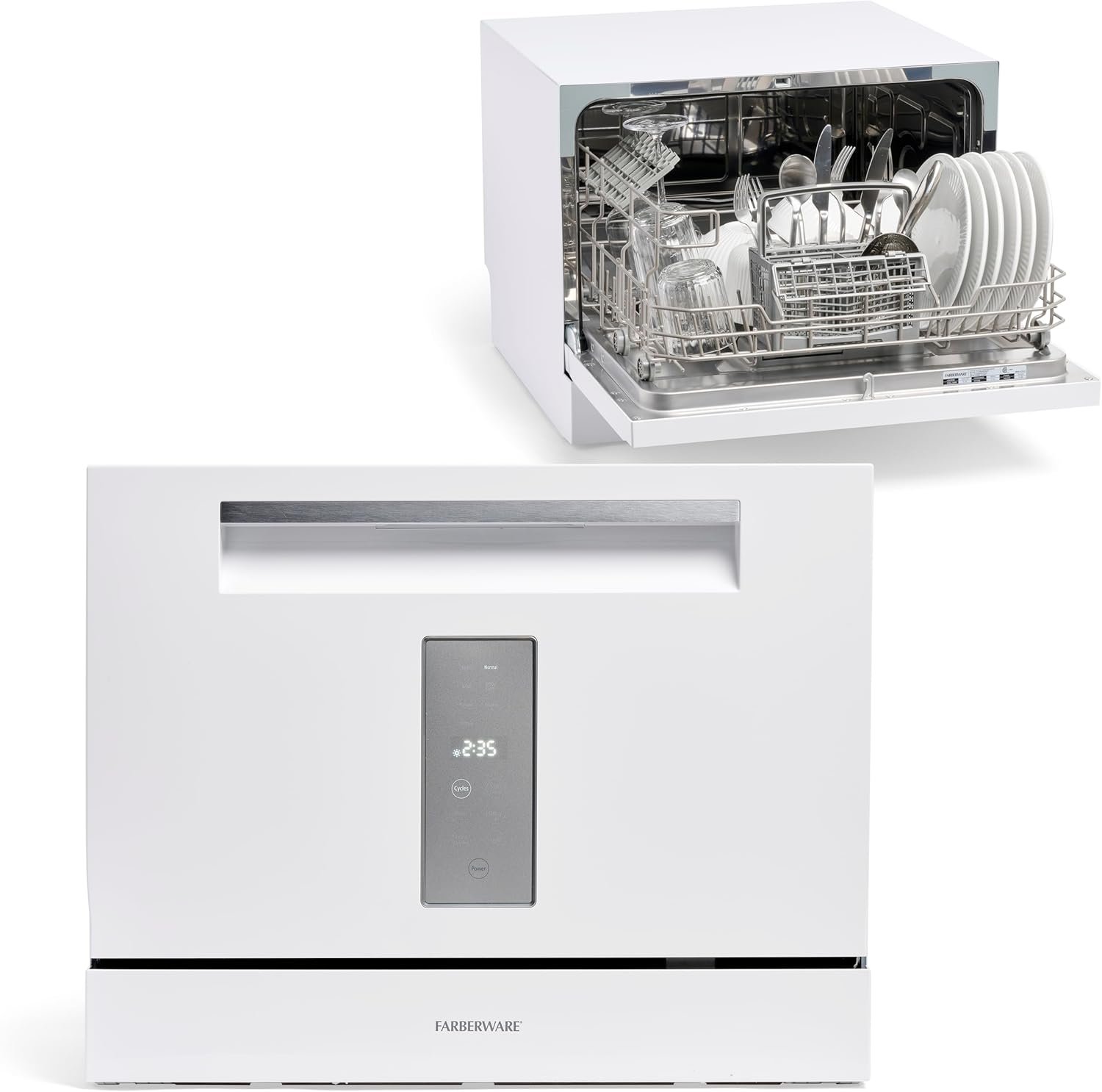
Farberware Compact Countertop Dishwasher
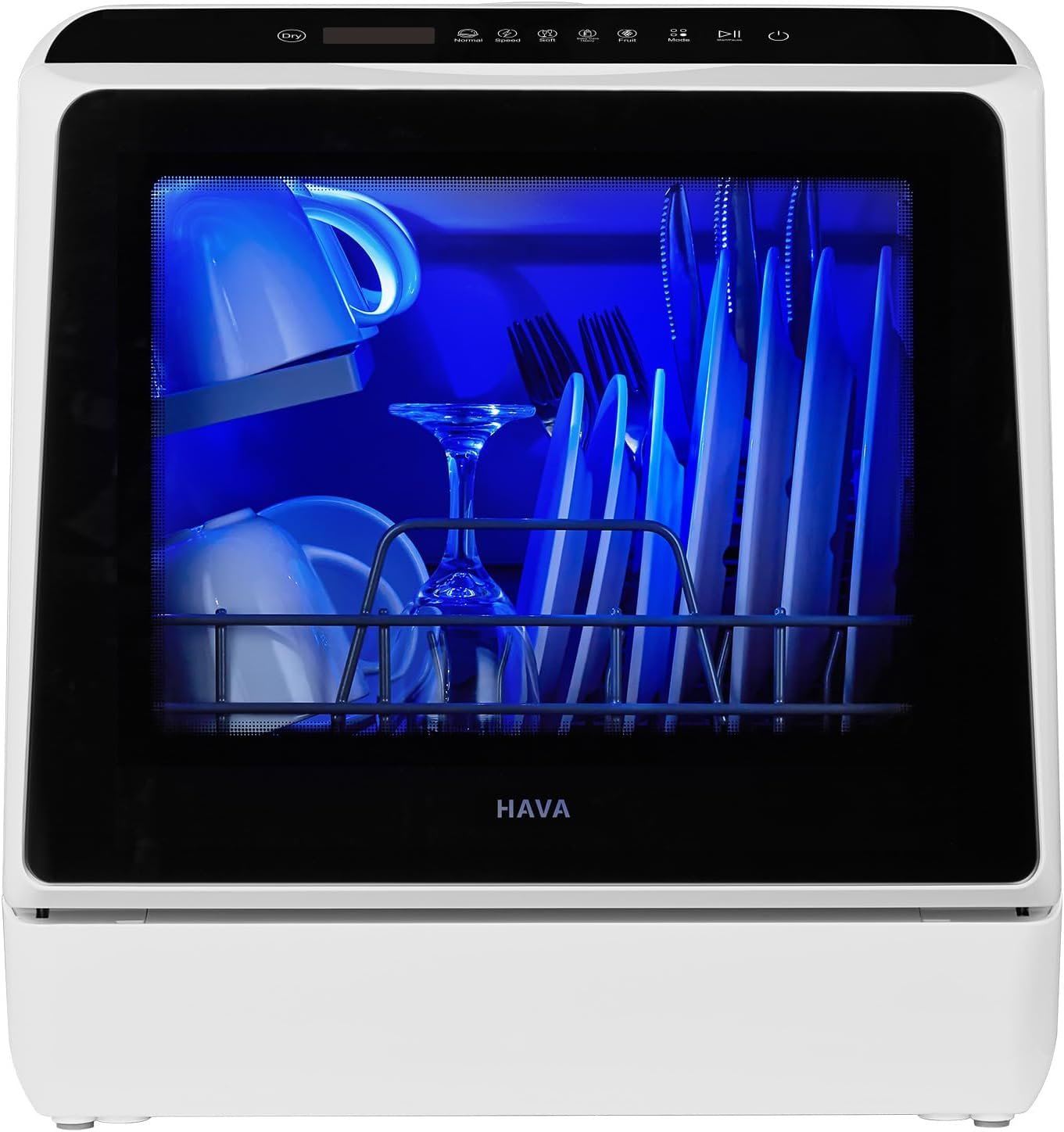
HAVA Countertop Dishwasher (Built-In Tank)
Live Deal #1 Amazon Bestseller
COMFEE' Countertop Portable Dishwasher
The ultimate solution for apartments and RVs. Wash dishes anywhere with no installation required.
Articles
FAQS About Dishwashers
Are stainless-steel tubs better than plastic tubs?
Stainless-steel tubs are usually more durable and help improve drying because they can handle higher wash temperatures and retain heat better. They also tend to absorb sound more effectively, which helps keep noise down. Plastic tubs are generally cheaper and still work, but they can feel less premium and may show wear and staining sooner.
How quiet should a good dishwasher be?
Quiet dishwashers are typically rated somewhere in the 40–50 dBA range. The lower the number, the quieter the machine. If your kitchen is open to a living area or you run cycles at night, it’s worth choosing a model that emphasises low noise levels.
Do I need to rinse dishes before putting them in the dishwasher?
Most modern dishwashers are designed to handle food residues, so you usually only need to scrape off large pieces of food rather than fully rinsing every plate. Over-rinsing can actually make detergent less effective, because it works best when there are some soils and fats to break down.
Why do some dishwasher cycles take 2–3 hours?
Longer cycles allow the dishwasher to clean more thoroughly while using less water and energy. Instead of blasting with high power for a short time, many eco and auto cycles soak, spray, and rinse carefully to remove tough food without wasting resources. If you are in a hurry, most models also offer a shorter “quick” or “express” programme.
Is a third rack really useful?
A third rack can be very useful if you regularly wash cutlery, utensils, or small items that clutter the lower baskets. It frees up space in the main cutlery basket and helps you fit more plates and bowls on the lower rack. Once people get used to it, many prefer the extra flexibility and organisation.
How long should a dishwasher last?
With normal use and basic maintenance, many dishwashers can last around 8–12 years, sometimes longer. Regularly cleaning the filter, checking spray arms for blockages, and using the correct detergent and rinse aid can all help extend the life of the machine.
Do dishwashers use more water than washing by hand?
A modern, efficient dishwasher often uses less water than washing the same load by hand, especially on eco or auto settings. It also allows the machine to heat water to a consistent temperature, which can improve cleaning performance compared with hand-washing in changing water temperatures.
Which detergents work best in dishwashers?
Most dishwashers work well with quality tablets, pods, or powders from recognised brands. The key is to use detergents that are made for automatic dishwashers, not hand-washing liquid, and to pair them with rinse aid if your water is hard or you notice spotting on glasses. Always follow the manufacturer’s guidance for your specific machine.