Best Air Conditioners
Stay cool and save on energy bills. In this guide, we’ve picked the best air conditioners for U.S. homes – from budget window units to powerful portable ACs and efficient mini-splits. All products are highly rated on Amazon and chosen for performance, noise, and energy use.
Top Air Conditioner Picks at a Glance
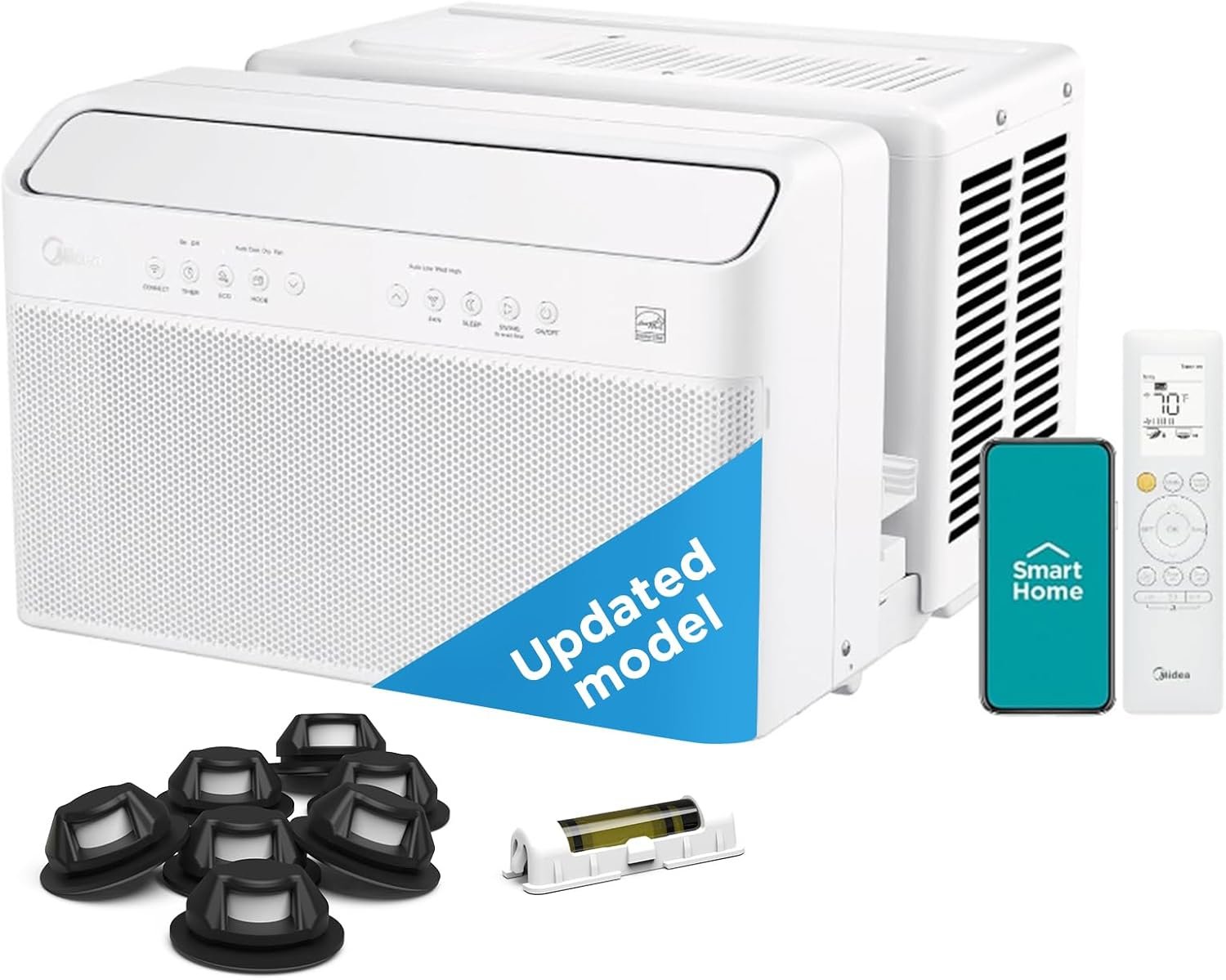
Midea U-Shaped 8,000 BTU Smart Window AC
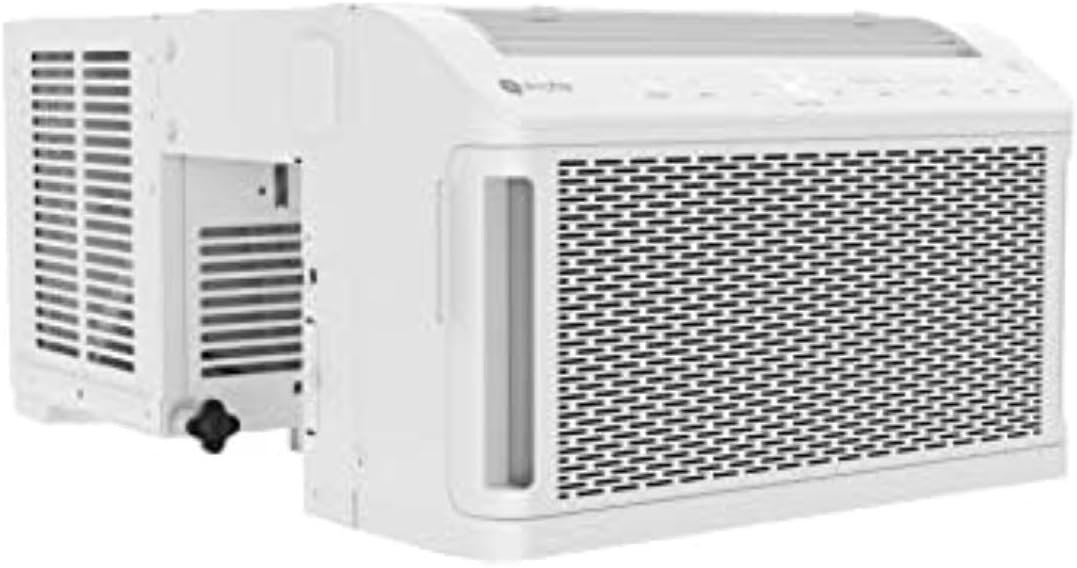
GE Profile ClearView Inverter Window AC
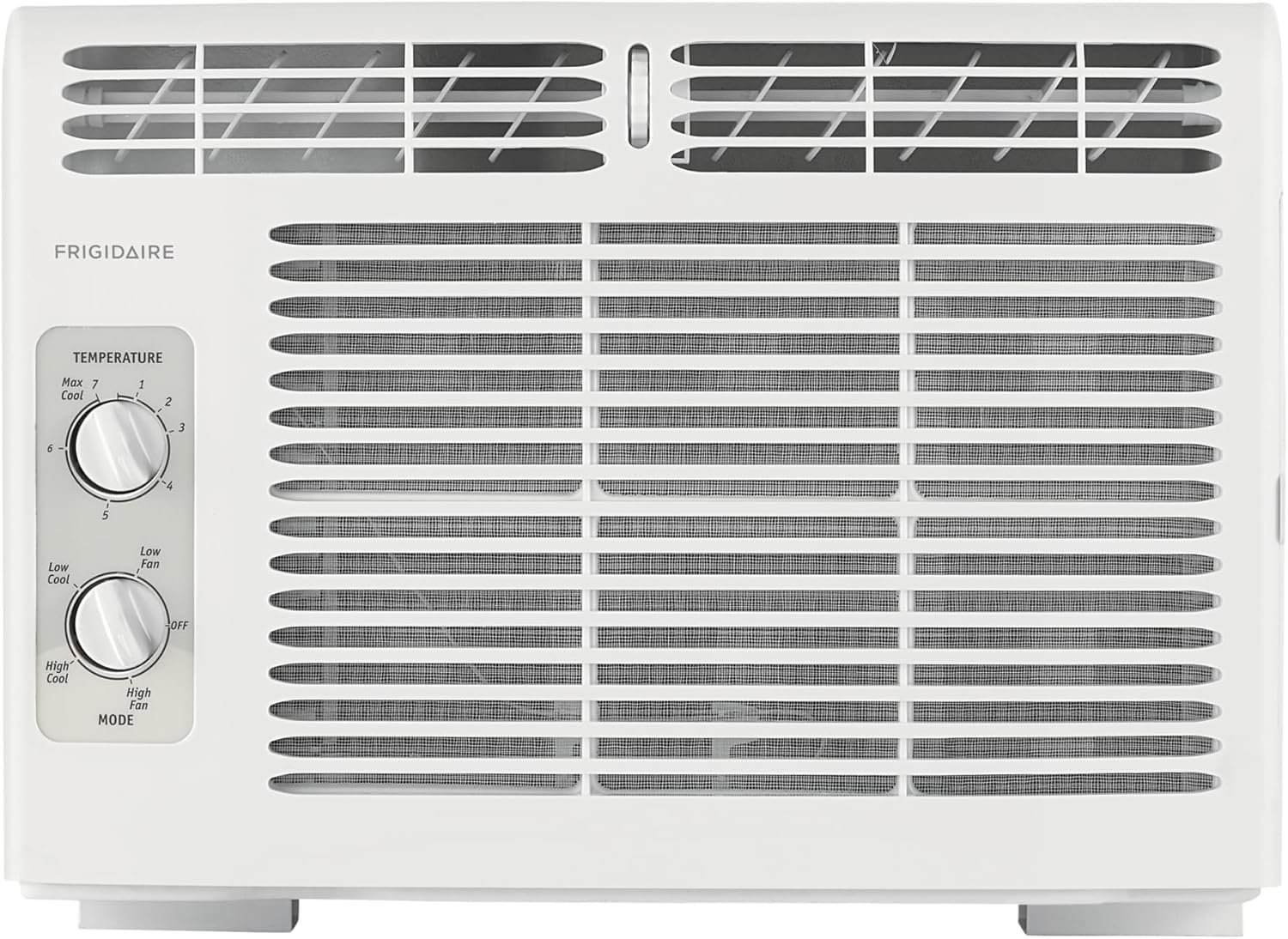
Frigidaire 5,000 BTU Window AC
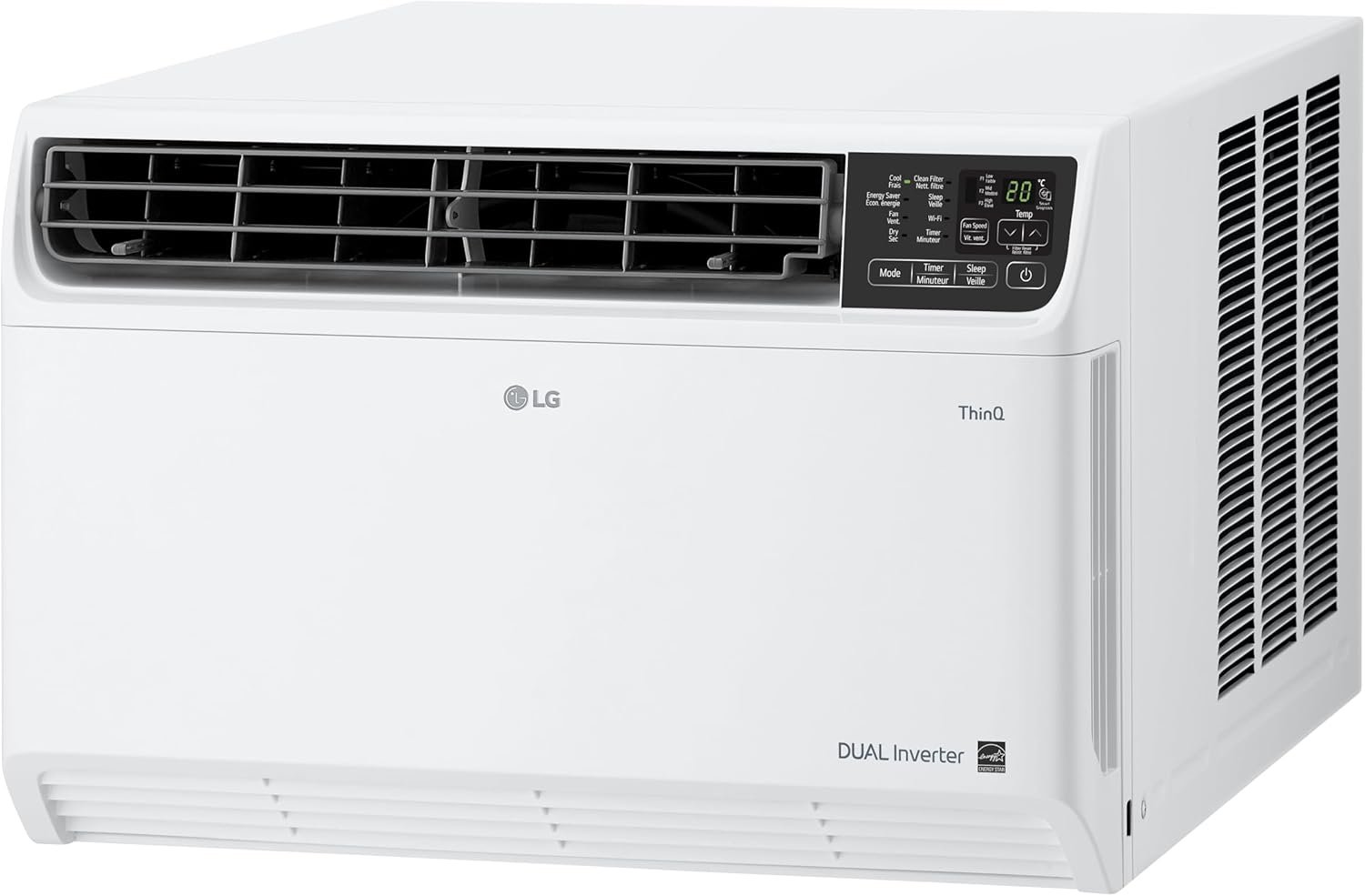
LG Dual Inverter 14,000 BTU Window AC
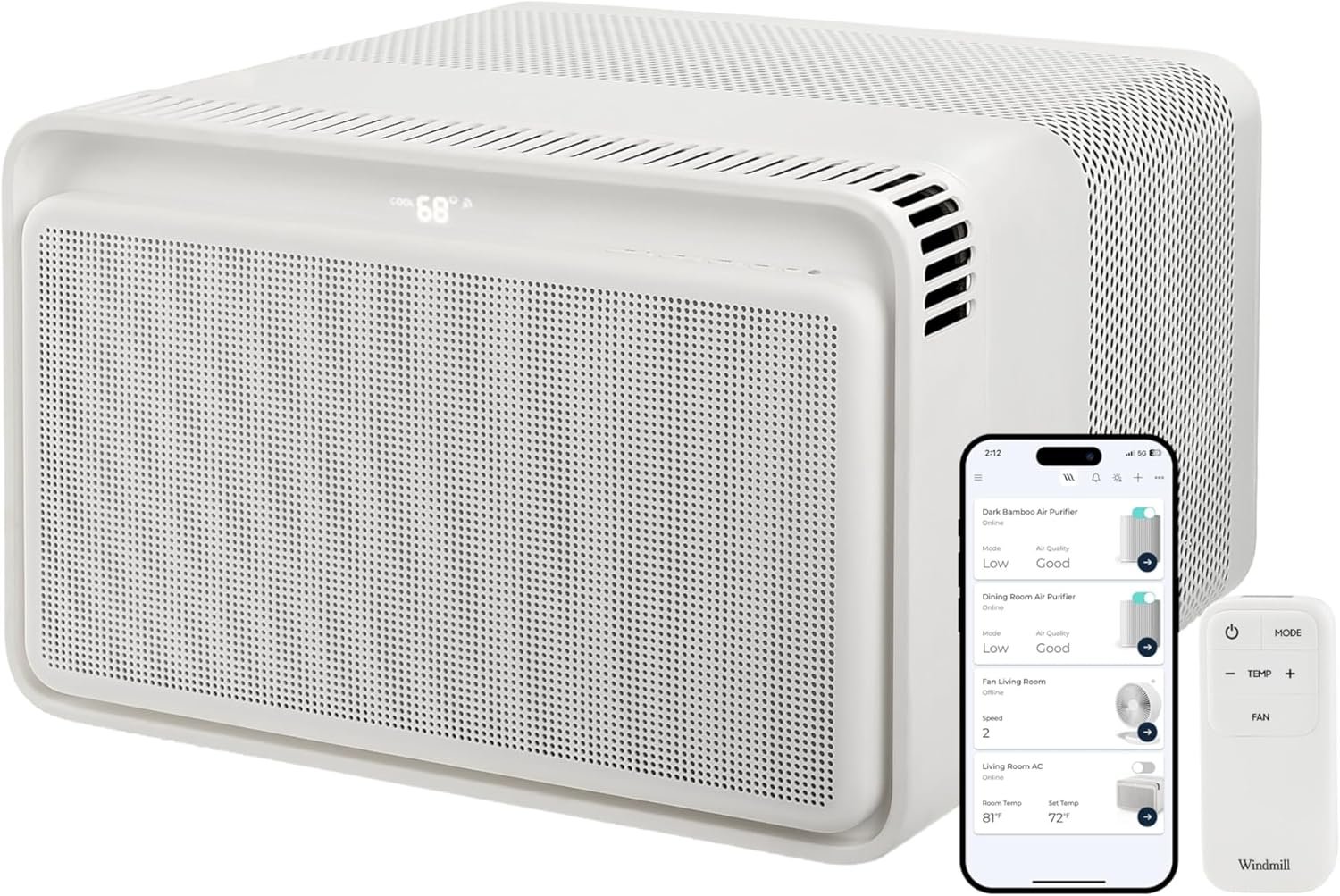
Windmill 10,000 BTU Inverter Window AC
Best Overall Air Conditioner: LG 10,000 BTU Smart Portable AC (LP1023BSSM)
✅ Pros
- Ultra-quiet Sleep Mode (52dB)
- Cool, Fan & Dehumidify Modes
- Wi-Fi Control (LG ThinQ App)
- Auto-swing louvers for even cooling
❌ Cons
- Heavy unit (approx. 70 lbs)
- Single-hose design
- Window kit can be tricky for some windows
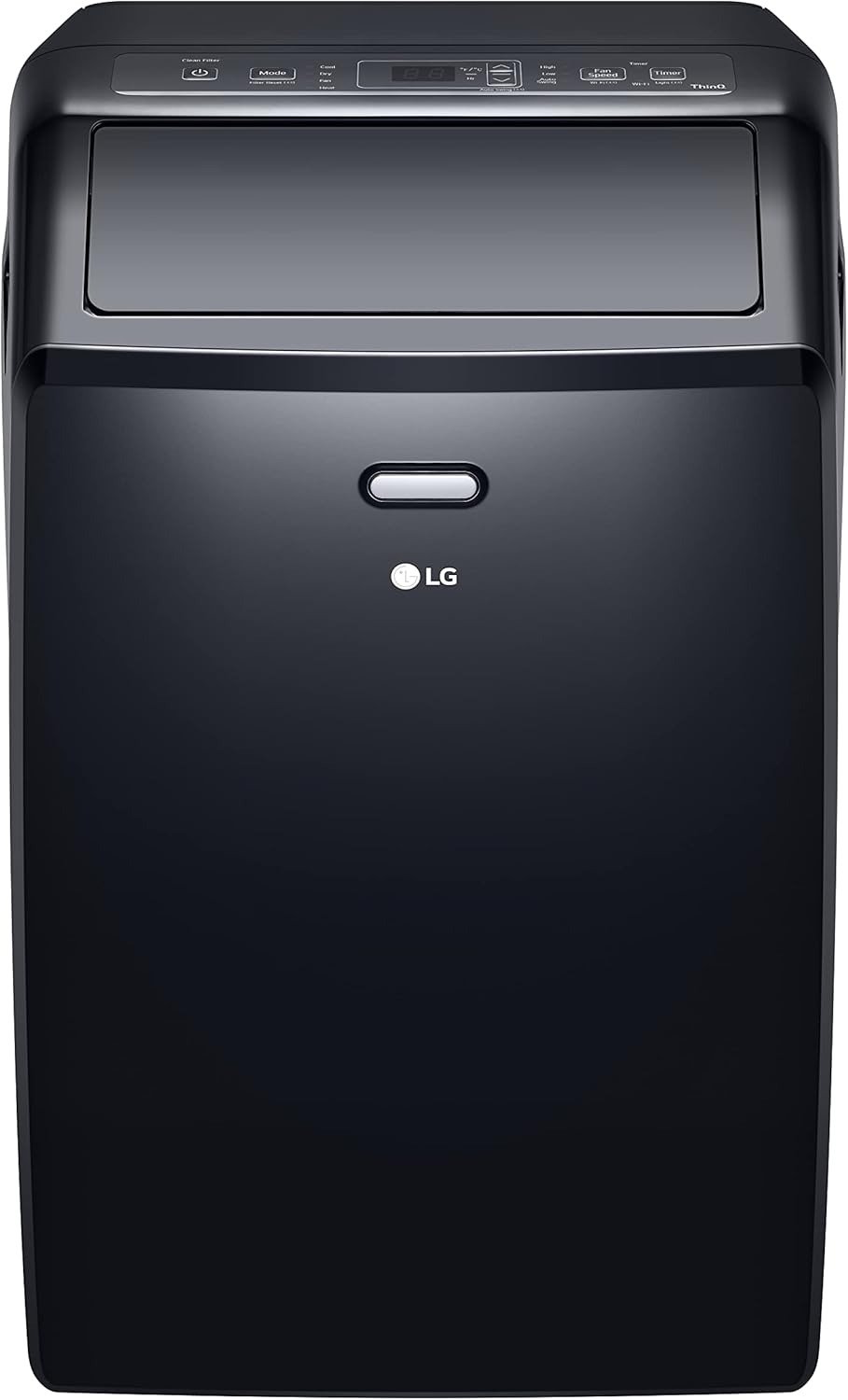
Our pick for most homes
Articles
FAQS About Air Conditioners
What size air conditioner do I need for my room?
The right air conditioner size depends on your room’s square footage. A simple rule is about 20 BTUs per square foot. For example, a 300 sq. ft. bedroom usually needs around 6,000 BTUs, while larger living rooms of 500–600 sq. ft. may require 10,000–12,000 BTUs. Correct sizing helps the unit cool efficiently without wasting energy.
Is a portable air conditioner better than a window AC?
Neither is always “better” – it depends on your space. Portable air conditioners are great for renters or rooms where window installation isn’t possible, but they’re usually a bit less efficient. Window ACs cool more efficiently and are often quieter, but they need a suitable window and a more permanent summer installation.
What’s the difference between single-hose and dual-hose portable ACs?
A single-hose portable AC pulls air from inside the room to cool the system and then vents warm air outside, which can slightly reduce efficiency. A dual-hose portable AC uses one hose for intake and another for exhaust, helping maintain room pressure and cooling larger rooms faster – especially in hotter climates.
How noisy are portable air conditioners?
Most portable air conditioners run between 50 and 60 decibels, similar to background conversation or a box fan. Bedroom-friendly models often include sleep modes or lower fan speeds for night use. If you’re sensitive to noise, look for units marketed as “quiet” or “low-decibel.”
Do air conditioners use a lot of electricity?
Energy use depends on the BTU rating, runtime, and efficiency. Modern units with Energy Star certification or inverter technology typically use less power than older models. Using timers, eco modes, and the right size for your room helps lower your monthly bill while keeping your home comfortable.
Can a portable air conditioner also act as a heater?
Some portable ACs include a heat mode or heat pump, so they can provide cooling in summer and supplemental warmth in cooler months. They’re great for shoulder seasons or rooms that need a little extra heat, but they are not a full replacement for a main heating system in very cold climates.
Do air conditioners remove humidity from the air?
Yes. As they cool, air conditioners naturally remove moisture from the air. Many portable units also include a dedicated dehumidifier mode, which focuses on pulling humidity out without dropping the temperature as much. This is especially helpful in humid regions or during rainy seasons.
Are smart air conditioners worth it?
Smart ACs let you control cooling via apps, schedules, and voice assistants such as Alexa or Google Assistant. They can automatically turn off when you leave, pre-cool a room before you get home, and help you monitor energy use. They cost a bit more up front but can improve comfort and may reduce wasted cooling over time.